
Provisioned organisation
The environment is prepared with validated services and buildings.

Urgentis connects queues, appointments and counters to guide citizens before they travel and give teams one shared view.
Urgentis makes the next step visible to citizens and staff without making public service feel impersonal.
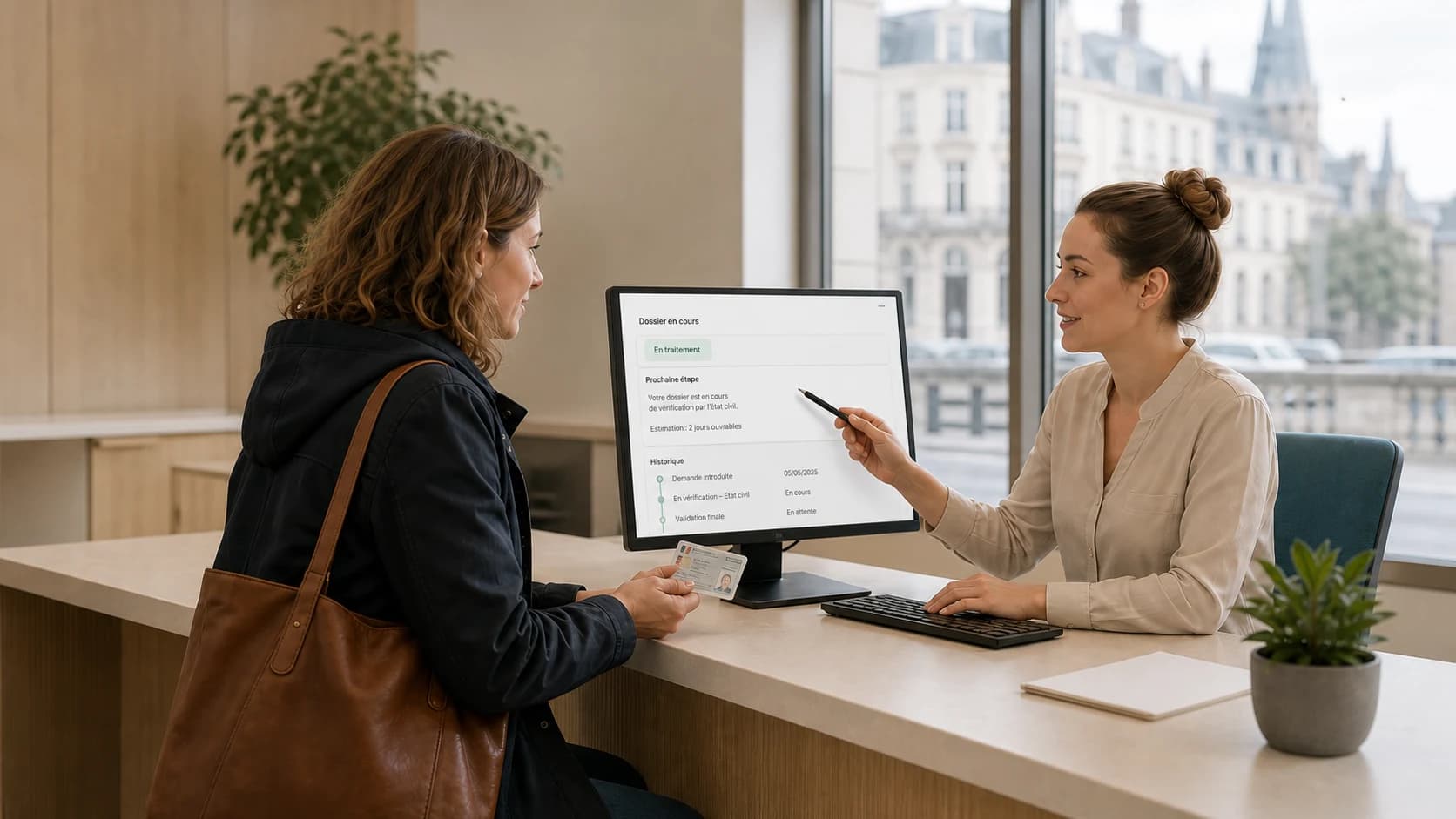
Citizens understand what to prepare, when to arrive and where to report. The team avoids unnecessary redirection and stays in control of every step.

Population, civil status, planning or any other configured service.
The municipality offers a queue, an appointment or the right instruction.
The individual link shows the next step without requiring an app.
Staff find the citizen and useful context in their workspace.
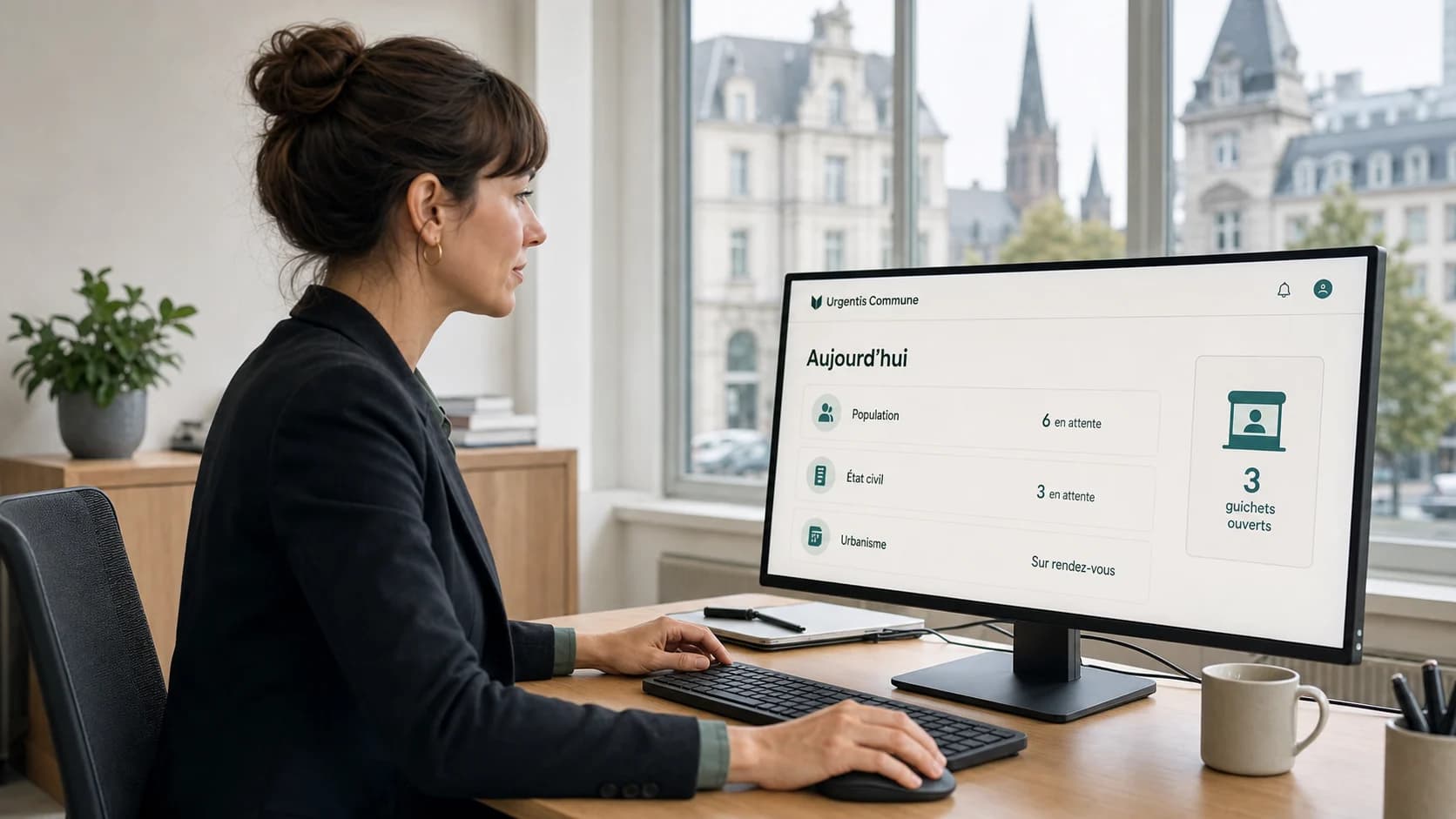
One view connects queues, counters and priorities. Staff keep working while management sees pressure building early.
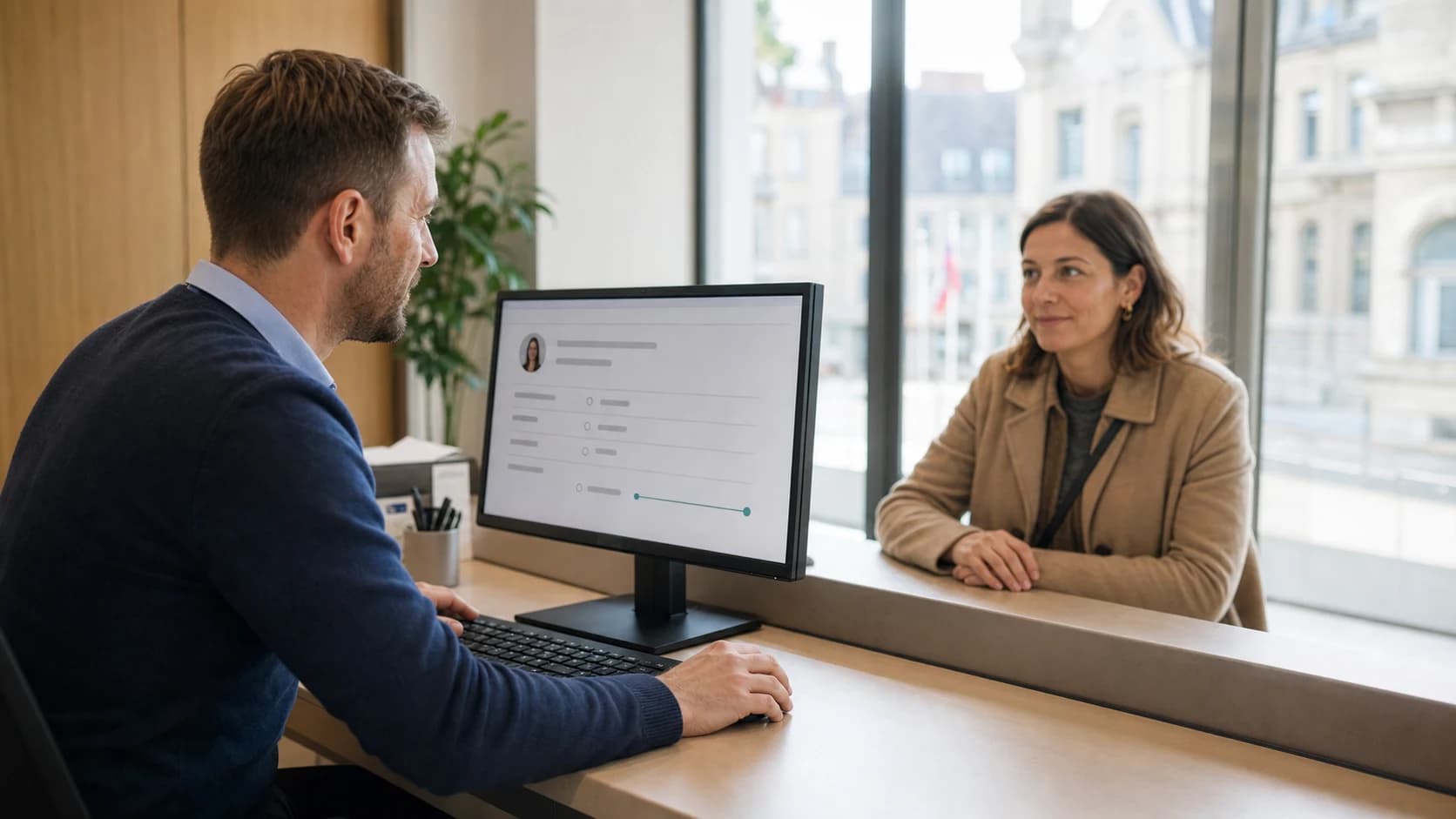
The record brings together the requested service, language, status and only the necessary information. Staff retain the decision, with useful context at the right moment.
A personal link shows the service, position and right time to arrive. No ordinary account, no app and no new instructions to learn.

2 people ahead of you
The municipality is provisioned as an organisation. Staff accounts are named, provisioned and managed according to internal responsibilities.

The environment is prepared with validated services and buildings.
Staff, managers and admins see only what they need.
Two-factor authentication is required for administrators.
Sensitive actions are recorded for oversight and compliance.
Urgentis is built in Molenbeek by Pixel Company with direct attention to Belgium’s linguistic, operational and regulatory reality.
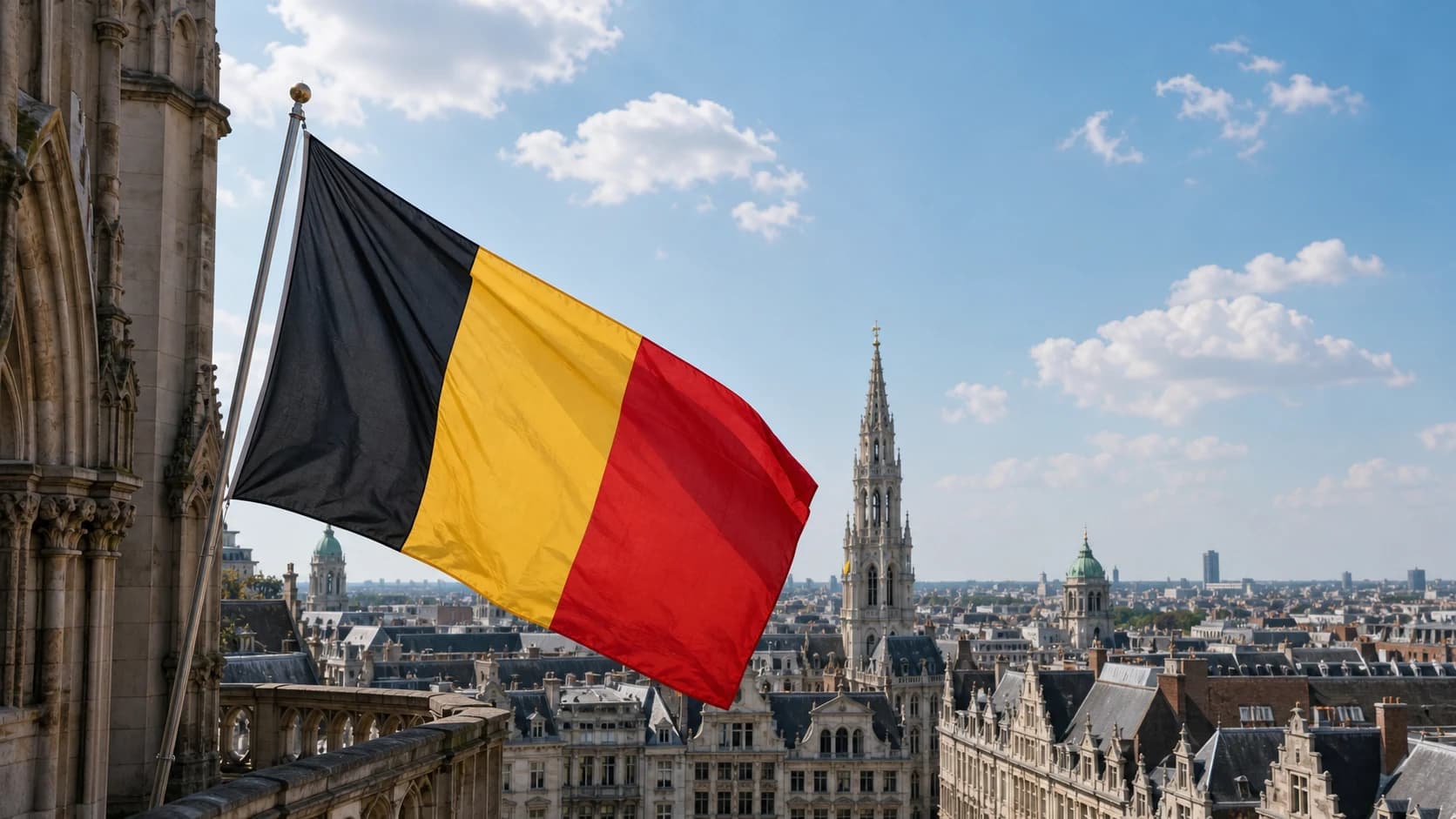
Application hosting and data at rest within the European Union.
Pixel Company · CBE 1016.324.626 · BrusselsThe essential answers before preparing a first pilot with your teams.
See all questionsNo. The pilot scope is agreed with the municipality. Urgentis can start with one service and connect progressively to existing processes.
Not for ordinary public journeys. They use an individual link. Strong authentication can be added where a service requires it.
The municipality appoints its managers. Named accounts are provisioned with rights limited by role, service and building.
Yes. The interface and citizen journeys support multiple languages, including French, Dutch and English.

Describe the current reception flow. We prepare a scope, timeline and verifiable success criteria before any wider rollout.